Introduction
Getting a good night’s sleep in a noisy environment can be difficult, especially in dorms or shared apartments. soundproofing your room is an effective way to block unwanted noise and improve rest. By using simple techniques and affordable materials, students can create a quieter, more comfortable living space. Moreover, effective soundproofing not only enhances sleep quality but also improves focus and overall well-being.
Why Soundproofing Your Room Improves Sleep
Excessive noise can disrupt sleep cycles, making it harder to feel rested. For instance, traffic, loud roommates, or nearby construction can significantly reduce sleep quality. Moreover, according to Sleep Foundation, consistent exposure to noise can lead to irritability, poor concentration, and long-term health issues. Therefore, finding ways to soundproof your room to reduce noise is crucial for maintaining both physical and mental health.
Soundproofing Tips for Your Room
1. Use Thick Curtains and Rugs
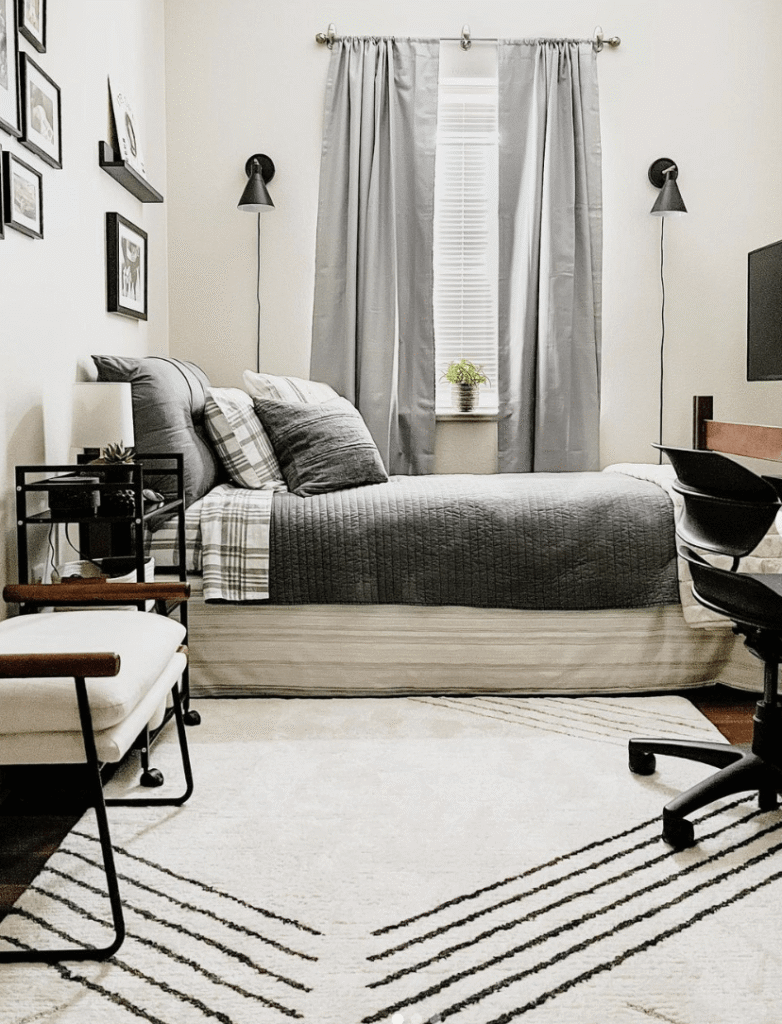
Heavy curtains and plush rugs absorb sound and reduce echo. Additionally, rugs help prevent noise from bouncing off hard floors, while curtains can block outside sounds. Apartment Therapy explains that layering textiles is one of the easiest ways to make a room quieter.
2. Seal Gaps and Cracks
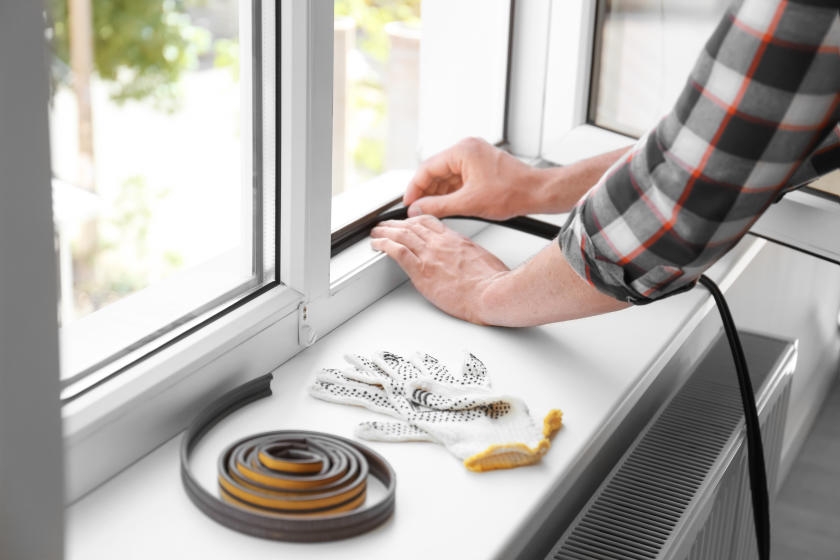
Sound often enters through gaps around doors and windows. Therefore, use weather stripping, door sweeps, or draft stoppers to seal openings. Even so, small gaps can allow a surprising amount of noise into your room.
3. Add Bookshelves or Furniture Against Walls
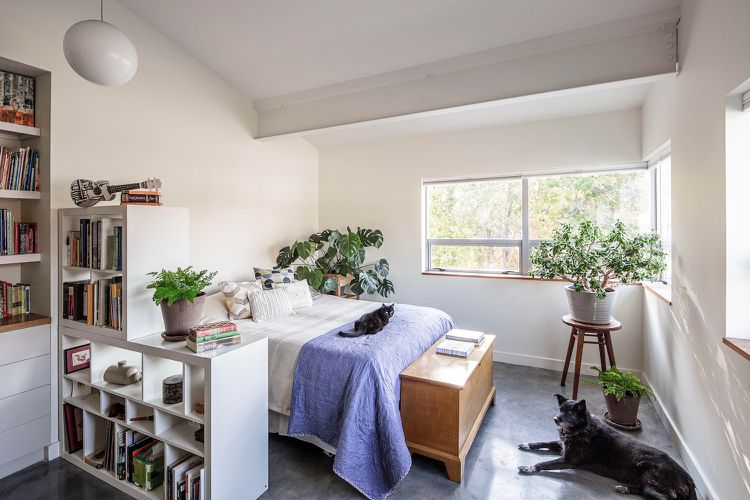
Placing large furniture like bookshelves or wardrobes against shared walls can absorb sound. In addition, stacking books and using soft materials in the room helps muffle noise naturally. Moreover, these furniture-based solutions also add style and storage
4. Consider DIY Sound Panels

Foam panels or blankets can be attached to walls to reduce echo and absorb sound. Moreover, these options are inexpensive and easy to install, making them ideal for dorms or small apartments. Finally, combining multiple methods provides the best results for a quiet, restful space.
Pro Tips for Dorm Rooms
- Position your bed away from the noisiest walls
- Use a white noise machine or app to mask external sounds
- Keep your room organized to prevent unnecessary echoes
- Combine with DIY air fresheners to improve both sound and smell
Dorm Life & Cleaning category page for more tips.
Conclusion
Soundproofing your room improves sleep quality, reduces stress, and enhances overall comfort. By combining techniques like heavy curtains, furniture placement, sealing gaps, and DIY sound panels, anyone can create a peaceful environment conducive to rest, even in a noisy dorm or apartment.